Procure museus e pinturas

Reino Unido

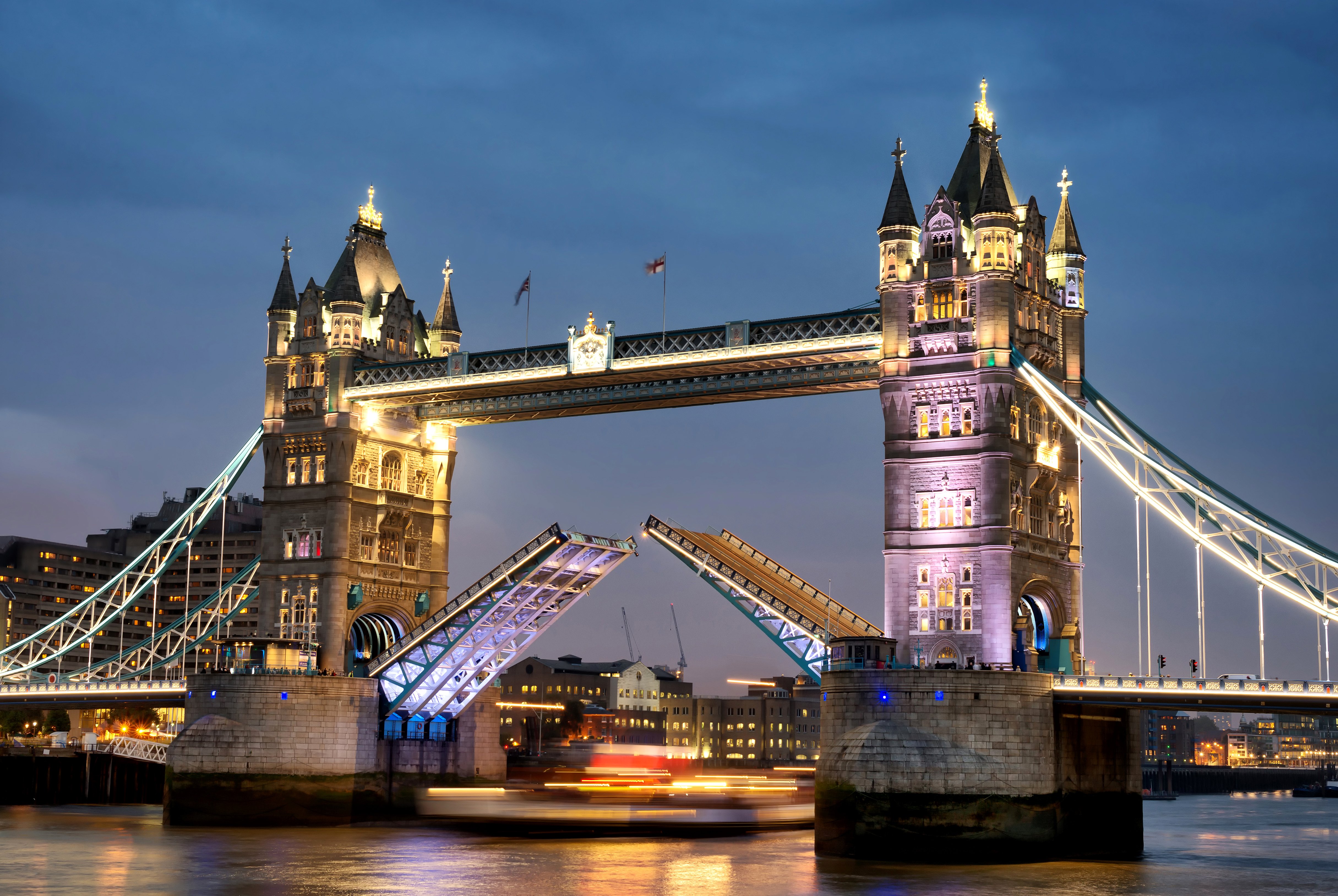
Reino Unido , oficialmente Reino Unido da Grã-Bretanha e Irlanda do Norte , é um Estado soberano insular localizado em frente à costa noroeste do continente europeu. O atual Reino Unido foi formado após o surgimento do Estado Livre Irlandês em 1922, que ganhou independência da coroa britânica. O Estado soberano localiza-se na ilha da Grã-Bretanha, e na parte nordeste da ilha da Irlanda, além de muitas outras ilhas menores. A Irlanda do Norte é a única parte do Reino Unido com uma fronteira terrestre, no caso, com a República da Irlanda. Fora essa fronteira terrestre, o país é cercado pelo oceano Atlântico, o mar do Norte, o canal da Mancha e o mar da Irlanda. A maior ilha, a Grã-Bretanha, é conectada com a França pelo Eurotúnel. O Reino Unido é uma união política de quatro "países constituintes": Escócia, Inglaterra, Irlanda do Norte e País de Gales. O governo é regido por um sistema parlamentar, cuja sede está localizada na cidade de Londres, a capital, e por uma monarquia constitucional que tem a rainha Isabel II como a chefe de Estado. As dependências da Coroa das Ilhas do Canal e a Ilha de Man , não fazem parte do Reino Unido, mas formam uma confederação com ele.O país tem quatorze territórios ultramarinos, todos remanescentes do Império Britânico, que no seu auge possuía quase um quarto da superfície da Terra, fazendo desse o maior império da história. Como resultado da era imperial, a influência britânica no mundo pode ser vista no idioma, na cultura e nos sistemas judiciários de muitas de suas antigas colônias, como o Canadá, a Austrália, a Índia e os Estados Unidos. A rainha Isabel II permanece como a chefe da Comunidade das Nações e chefe de Estado de cada uma das monarquias na Commonwealth.O Reino Unido é um país desenvolvido, com a sexta ou sétima maior economia do mundo. Ele foi o primeiro país industrializado do mundo e a principal potência mundial durante o século XIX e o começo do século XX, mas o custo econômico de duas guerras mundiais e o declínio de seu império na segunda metade do século XX reduziu o seu papel de líder nos temas mundiais. O Reino Unido, no entanto, permaneceu sendo uma potência importante com forte influência econômica, cultural, militar e política, sendo uma potência nuclear, com o terceiro ou quarto maior gasto militar do mundo. Tem um assento permanente no Conselho de Segurança das Nações Unidas e é membro do G8, da Organização do Tratado do Atlântico Norte , da Organização Mundial do Comércio e da Comunidade das Nações. Foi um membro da União Europeia até 31 de janeiro de 2020.

Colchester Castle

Colchester

Colchester Castle is a Norman castle in Colchester, Essex, England, dating from the second half of the eleventh century. The keep of the castle is mostly intact and is the largest example of its kind anywhere in Europe, due to its being built on the foundations of a Roman temple. The castle endured a three-month siege in 1216, but had fallen into disrepair by the seventeenth century when the curtain walls and some of the keep's upper parts were demolished; its original height is debated. The remaining structure was used as a prison and was partially restored as a large garden pavilion, but was purchased by Colchester Borough Council in 1922. The castle has since 1860 housed Colchester Museum, which has an important collection of Roman exhibits. It is a scheduled monument and a Grade I listed building.

Coughton Court

Stratford-upon-Avon

Coughton Court é um palácio rural da Inglaterra situado na estrada principal entre Studley e Alcester, no Warwickshire. Apresenta-se como um dos mais refinados exemplares da arquitectura Tudor neste tipo de edifícios. É um listed building classificado com o Grau I. A propriedade Coughton tem estado na posse da família Throckmorton desde 1409. O palácio possui uma impressionante fachada directamente voltada para a estrada principal, cuja parte central é uma soberba portaria, sendo a parte mais antiga da actual estrutura, datada de 1530. Apesar de a família Throckmorton ter estado apenas indirectamente implicada na Conspiração da Pólvora, Coughton Court mantém um lugar na história da Inglaterra pelo papel que desempenhou nesse episódio de 1605, tendo alguns dos conspiradores dirigido os seus passos para ali depois da conspiração ter falhado. O palácio tem estado na posse da National Trust for Places of Historic Interest or Natural Beauty desde 1945. A família mantém um arrendamento de longa duração e dirige o domínio a meias com o National Trust. Coughton Court está aberto ao público, encontrando-se no seu interior uma exposição sobre a Conspiração da Pólvora. O palácio ergue-se entre extensos campos, incluindo um jardim mais formal, um rio e um lago.

Countess of Chester Hospital

Chester

The Countess of Chester is the main NHS hospital for Chester and its surrounding area. It currently has 625 beds, general medical departments and a 24-hour accident and emergency unit. It is managed by the Countess of Chester Hospital NHS Foundation Trust, which was one of the first Foundation Trusts, formed in 2004.

Coventry Transport Museum

Coventry

Coventry Transport Museum is a transport museum, located in Coventry city centre, England. It houses the largest collection of British-made road transport held in public ownership. It is located in Coventry because the city was previously the centre of the British car industry and the birthplace of the bicycle. There are more than 240 cars and commercial vehicles, 100 motorcycles, 200 bicycles. As of June 30, 2019, Coventry Transport Museum is no longer free admission. Prices for adults will be £14, concessions will be £10.50 and juniors will be £7 with special prices for families. Admission to the museum is still free for Coventry residentsThe ever-changing temporary exhibitions feature motor cars, commercial vehicles, cycles and motorcycles from the museums own collection and beyond. The museum offers activities ranging from engineering challenges to scientific experiments. The museum is also home to a 60 year old Vintage Sleigh Ride, that has been popular in the city for generations of local residents. It has a full-time archive department, which deals with an array of historical items, and offers a public enquiry service answering questions and finding items and information. Visitors need to contact the museum prior to visiting should they wish to access the archives, or speak to a curator.

Castelo de Culzean

Kirkoswald, South Ayrshire

O Castelo de Culzean localiza-se perto de Maybole, em Carrick, na costa de Ayrshire, na Escócia. Foi a residência do marquês de Ailsa e atualmente pertence ao National Trust for Scotland. O castelo encontra-se em posição dominante sobre uma formação rochosa no atual Culzean Castle Country Park e encontra-se aberto ao público. Desde 1987 uma ilustração deste castelo encontra-se figurada no reverso das notas de cinco libras emitidas pelo Royal Bank of Scotland.

Danson House

Londres

Danson House is a Palladian mansion and a Grade I listed building at the centre of Danson Park, in Welling in the London Borough of Bexley, south-east London.

Darby Houses

Coalbrookdale

The Darby Houses museum is one of ten Ironbridge Gorge Museums administered by the Ironbridge Gorge Museum Trust. It is based in the village of Coalbrookdale in the Ironbridge Gorge, in Shropshire, England within a World Heritage Site, the birthplace of the Industrial Revolution. The Darby Houses comprise the adjacent properties of Dale House and Rosehill, both of which were built for members of the Darby family in Darby Road, Coalbrookdale.

Department of Social Policy and Intervention

Oxford

The Department of Social Policy and Intervention is a leading interdisciplinary centre for research and teaching in social policy and the systematic evaluation of social intervention based in the Social Sciences Division of the University of Oxford. It dates back to ‘Barnett House’, a social reform initiative founded in 1914 and became a department of University of Oxford in 1961. The Department hosts two main research units: the Oxford Institute of Social Policy and the Centre for Evidence-Based Social Intervention . Since October 2017 Professor Bernhard Ebbinghaus is Head of Department.

Devon and Somerset Fire and Rescue Service

Exeter

Devon and Somerset Fire and Rescue Service is the statutory fire and rescue service covering the county of Devon and the non-metropolitan county of Somerset in South West England. The service does not cover the unitary authorities of North Somerset and Bath and North East Somerset, which are covered by the Avon Fire and Rescue Service. It is the fifth largest fire and rescue service in the United Kingdom.Devon and Somerset Fire and Rescue Service was founded on 1 April 2007, following the merger of Devon Fire and Rescue Service with Somerset Fire and Rescue Service. The Somerset service, previously known as Somerset Fire Brigade, was formed on 1 April 1948. Devon Fire Brigade was formed in 1973, by the amalgamation of Exeter City Brigade, Plymouth City Brigade and Devon County Brigade. It became Devon Fire and Rescue Service in 1987. DSFRS main headquarters is located at Clyst St George near Exeter. Its main training centre is the Service Training Centre at Plympton fire station. It employs approximately 1,850 staff, including 578 wholetime firefighters and 36 control room staff, 930 retained firefighters and 300 non-uniformed staff. Each county operated its own control room until 2012, but they now have a single control room at the main headquarters.