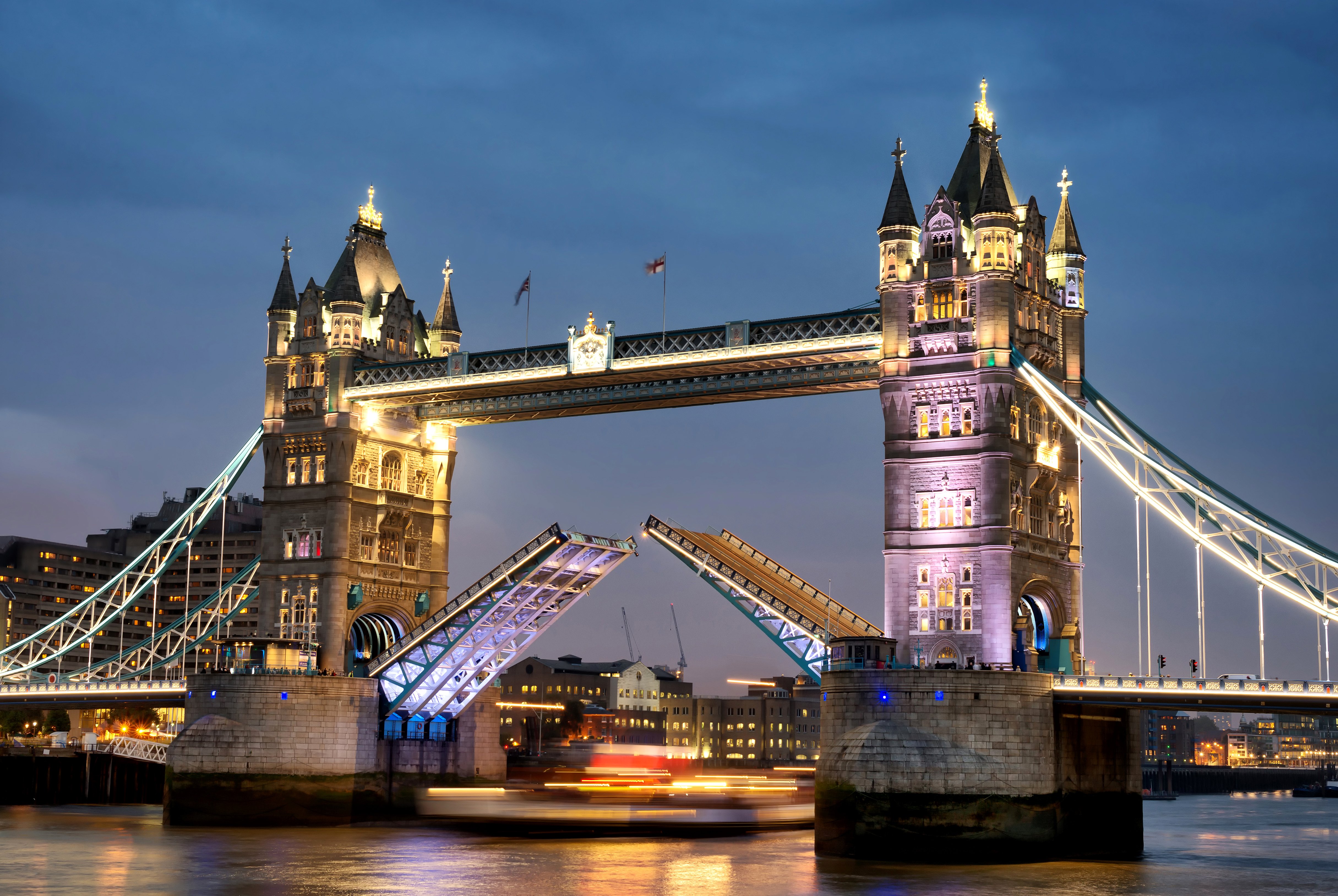
Procure museus e pinturas

Reino Unido

Reino Unido , oficialmente Reino Unido da Grã-Bretanha e Irlanda do Norte , é um Estado soberano insular localizado em frente à costa noroeste do continente europeu. O atual Reino Unido foi formado após o surgimento do Estado Livre Irlandês em 1922, que ganhou independência da coroa britânica. O Estado soberano localiza-se na ilha da Grã-Bretanha, e na parte nordeste da ilha da Irlanda, além de muitas outras ilhas menores. A Irlanda do Norte é a única parte do Reino Unido com uma fronteira terrestre, no caso, com a República da Irlanda. Fora essa fronteira terrestre, o país é cercado pelo oceano Atlântico, o mar do Norte, o canal da Mancha e o mar da Irlanda. A maior ilha, a Grã-Bretanha, é conectada com a França pelo Eurotúnel. O Reino Unido é uma união política de quatro "países constituintes": Escócia, Inglaterra, Irlanda do Norte e País de Gales. O governo é regido por um sistema parlamentar, cuja sede está localizada na cidade de Londres, a capital, e por uma monarquia constitucional que tem a rainha Isabel II como a chefe de Estado. As dependências da Coroa das Ilhas do Canal e a Ilha de Man , não fazem parte do Reino Unido, mas formam uma confederação com ele.O país tem quatorze territórios ultramarinos, todos remanescentes do Império Britânico, que no seu auge possuía quase um quarto da superfície da Terra, fazendo desse o maior império da história. Como resultado da era imperial, a influência britânica no mundo pode ser vista no idioma, na cultura e nos sistemas judiciários de muitas de suas antigas colônias, como o Canadá, a Austrália, a Índia e os Estados Unidos. A rainha Isabel II permanece como a chefe da Comunidade das Nações e chefe de Estado de cada uma das monarquias na Commonwealth.O Reino Unido é um país desenvolvido, com a sexta ou sétima maior economia do mundo. Ele foi o primeiro país industrializado do mundo e a principal potência mundial durante o século XIX e o começo do século XX, mas o custo econômico de duas guerras mundiais e o declínio de seu império na segunda metade do século XX reduziu o seu papel de líder nos temas mundiais. O Reino Unido, no entanto, permaneceu sendo uma potência importante com forte influência econômica, cultural, militar e política, sendo uma potência nuclear, com o terceiro ou quarto maior gasto militar do mundo. Tem um assento permanente no Conselho de Segurança das Nações Unidas e é membro do G8, da Organização do Tratado do Atlântico Norte , da Organização Mundial do Comércio e da Comunidade das Nações. Foi um membro da União Europeia até 31 de janeiro de 2020.

Buscot Park

Vale of White Horse

Buscot Park is a country house at Buscot near the town of Faringdon in Oxfordshire within the historic boundaries of Berkshire. It was built in an austere neoclassical style between 1780 and 1783 for Edward Loveden Loveden. It remained in the family until sold in 1859 to Robert Tertius Campbell, an Australian. Campbell's daughter Florence would later be famous as Mrs Charles Bravo, the central character in a Victorian murder case that remains unsolved to this day. On Campbell's death, in 1887, the house and its estate were sold to Alexander Henderson a financier, later to be ennobled as Baron Faringdon. Following the death of the 1st Baron in 1934, the house was considerably altered and restored to its 18th-century form, by the architect Geddes Hyslop, for his grandson and successor, Gavin Henderson, 2nd Baron Faringdon, during this era, the art collection founded by the 1st Baron was considerably enlarged, although many of the 1st Baron's 19th-century works of art were sold immediately following his death. The house and estate was bequeathed to the National Trust in 1956. The contents are owned by the Faringdon Collection Trust. The house is occupied and managed by the present Lord Faringdon. The mansion and its extensive formal and informal gardens and grounds are open to the public each summer.

Florence Nightingale Museum

Londres

The Florence Nightingale Museum is located at St Thomas' Hospital, which faces the Palace of Westminster across the River Thames in South Bank, central London, England. It is open to the public seven days a week. It reopened on 12 May 2010 following an extensive £1.4m refurbishment.The museum tells the real story of Florence Nightingale, "the lady with the lamp", from her Victorian childhood to her experiences in the Crimean, through to her years as an ardent campaigner for health reform. Nightingale is recognised as the founder of modern nursing in the United Kingdom. The new museum explains her legacy and also celebrates nursing today: it is a member of The London Museums of Health & Medicine group. In 1860, four years after her famous involvement in the Crimean War, Nightingale founded the Nightingale Training School for nurses at St. Thomas' Hospital and the museum is located on this site.The new museum is designed around three pavilions that tell her story. The Gilded Cage tells the story of Nightingale's privileged childhood and her struggle against stifling social conventions. The Calling shows how Nightingale and her team coped with the crisis in the military hospitals where the legend of the lady with the lamp was born. Reform and Inspire shows the other side of Nightingale, the reformer who campaigned tirelessly for health reform at home and abroad. Highlights from the Collection include the writing slate Nightingale used as a child, her pet owl Athena , and Nightingale's medicine chest, which she took with her to the Crimean. It contains a mix of medicines and herbal remedies, from bicarbonate of soda to powdered rhubarb. The museum displays a rare Register of Nurses that lists women who served under Nightingale in the military hospitals in Turkey and the Crimean. Audio tours are free with entry and accessed via a set of stethoscopes. Interactive exhibits have been created to offer different ways of exploring Florence's story and influence. Free creative activities for children are offered during the holidays. There is also a resource centre which is open by appointment to students, academics and other researchers, who may use the museum's collections, books and documents related to Florence Nightingale. The museum is a member of the London Museums of Health & Medicine.

Forestry Commission

Edimburgo

The Forestry Commission is a non-ministerial government department responsible for the management of publicly owned forests, and the regulation of both public and private forestry, in England. It was formerly also responsible for Forestry in Wales and Scotland, however on 1 April 2013 Forestry Commission Wales merged with other agencies to become Natural Resources Wales, whilst two new bodies were established in Scotland on 1 April 2019. The commission was set up in 1919 to expand Britain's forests and woodland after depletion during the First World War. To do this, the commission bought large amounts of former agricultural land, eventually becoming the largest land owner in Britain. The Commission is divided into three divisions: Forestry England, Forestry Commission and Forest Research.Over time the purpose of the Commission broadened to include many other activities beyond timber production. One major activity is scientific research, some of which is carried out in research forests across Britain. Recreation is also important, with several outdoor activities being actively promoted. Protecting and improving biodiversity across England's forests are also part of the Forestry Commission's remit. The Commission received criticism for its reliance on conifers, particularly the uniform appearance of conifer forests and concerns over a lack of biodiversity. Protests from the general public and conservation groups accompanied attempts to privatise the organisation in 1993 and 2010.

Fulham Library

Londres

Fulham Library is a Grade II listed building at 598 Fulham Road, Fulham, London. It was built in 1908, and the architect was Henry Hare.Among the staff was Edward Dudley, winner of the Chartered Institute of Library and Information Professionals first Cilip medal, who worked there as a librarian from 1936 to 1939.

Gawthorpe Hall

Burnley

Gawthorpe Hall is an Elizabethan country house on the banks of the River Calder, in the civil parish of Ightenhill in the Borough of Burnley, Lancashire, England. Its estate extends into Padiham, with the Stockbridge Drive entrance situated there. Since 1953 it has been designated a grade I listed building. The hall is financed and run by the National Trust in partnership with Lancashire County Council. In 2015 the Hall was given £500,000 funding from Lancashire County Council for vital restoration work needed on the south and west sides of the house.

Graves Art Gallery

Sheffield

Graves Art Gallery is an art gallery in Sheffield, England. The gallery is located above the Central Library in Sheffield city centre. It houses permanent displays from the city’s historic and contemporary collection of British and European art along with a programme of temporary exhibitions. The collection encapsulates the story of the development of art. The main trends and movements are traced through works by many artists, from JMW Turner, Alfred Sisley and Sir Stanley Spencer, to Helen Chadwick, Marc Quinn and Bridget Riley. The gallery is managed by Museums Sheffield.

Great North Museum: Hancock

Newcastle upon Tyne

The Great North Museum: Hancock is a museum of natural history and ancient civilisations in Newcastle upon Tyne, England. The museum was established in 1884 and was formerly known as the Hancock Museum. In 2006 it merged with Newcastle University's Hatton Gallery to form the Great North Museum. The museum reopened as the Great North Museum: Hancock in May 2009 following a major extension and refurbishment of the original Victorian building. The museum and most of its collections are owned by the Natural History Society of Northumbria, and it is managed by Tyne & Wear Archives & Museums on behalf of Newcastle University.

Greys Court

Oxford

Greys Court is a Tudor country house and gardens in the southern Chiltern Hills at Rotherfield Greys, near Henley-on-Thames in the county of Oxfordshire, England. Now owned by the National Trust, it is located at grid reference SU725834, and is open to the public.

Griffith Institute

Oxford

O Instituto Griffith é uma instituição que faz parte do Museu Ashmolean da Universidade de Oxford, na Inglaterra, dedicada à promoção da Egiptologia enquanto disciplina. O instituto foi fundado em 21 de janeiro de 1939 e recebeu o nome do reconhecido egiptólogo francês Francis Llewellyn Griffith, que legou fundos em seu testamento à criação do instituto. O instituto abriga uma importante coleção egiptológica, preservando cópias originais de inscrições, desenhos e aquarelas, antigos negativos e fotografias. Entre ela estão textos de Sir Alan Henderson Gardiner e dos professores B. G. Gunn e Jaroslav Černý, registros efetuados por Howard Carter quando de sua descoberta da tumba de Tutankhamon em 1922, assim como a documentação provenientes de expedições à Nubia de Griffith e Sir Henry Wellcome. O instituto edita e publica o Topographical Bibliography of Ancient Egyptian Hieroglyphic Texts, Reliefs and Paintings, e é responsável por um certo número de publicações importantes na área da Egiptologia: as mais conhecidas são a Egyptian Grammar de Gardiner e A Concise Dictionary of Middle Egyptian de Raymond O. Faulkner.