Procure museus e pinturas

Reino Unido

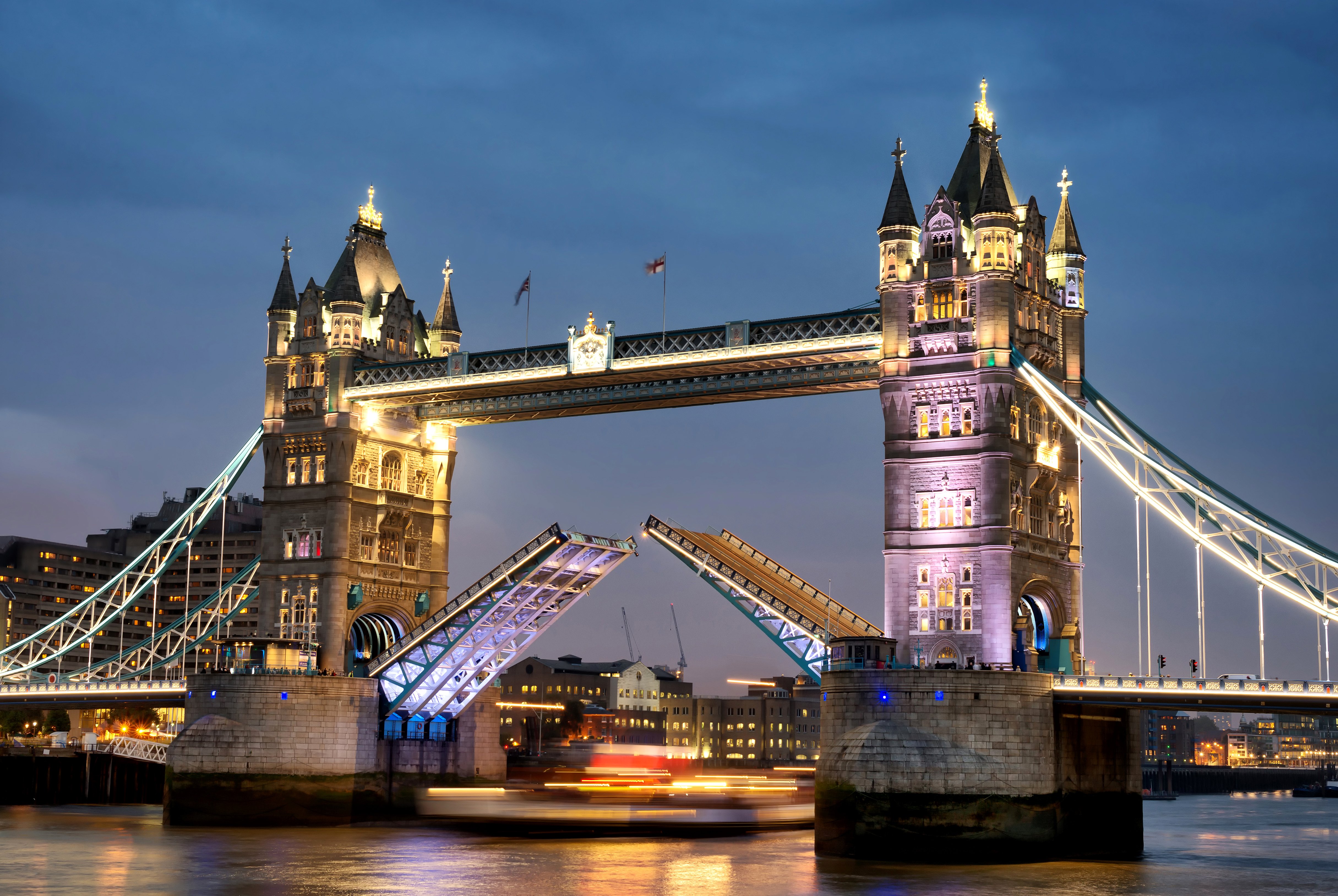
Reino Unido , oficialmente Reino Unido da Grã-Bretanha e Irlanda do Norte , é um Estado soberano insular localizado em frente à costa noroeste do continente europeu. O atual Reino Unido foi formado após o surgimento do Estado Livre Irlandês em 1922, que ganhou independência da coroa britânica. O Estado soberano localiza-se na ilha da Grã-Bretanha, e na parte nordeste da ilha da Irlanda, além de muitas outras ilhas menores. A Irlanda do Norte é a única parte do Reino Unido com uma fronteira terrestre, no caso, com a República da Irlanda. Fora essa fronteira terrestre, o país é cercado pelo oceano Atlântico, o mar do Norte, o canal da Mancha e o mar da Irlanda. A maior ilha, a Grã-Bretanha, é conectada com a França pelo Eurotúnel. O Reino Unido é uma união política de quatro "países constituintes": Escócia, Inglaterra, Irlanda do Norte e País de Gales. O governo é regido por um sistema parlamentar, cuja sede está localizada na cidade de Londres, a capital, e por uma monarquia constitucional que tem a rainha Isabel II como a chefe de Estado. As dependências da Coroa das Ilhas do Canal e a Ilha de Man , não fazem parte do Reino Unido, mas formam uma confederação com ele.O país tem quatorze territórios ultramarinos, todos remanescentes do Império Britânico, que no seu auge possuía quase um quarto da superfície da Terra, fazendo desse o maior império da história. Como resultado da era imperial, a influência britânica no mundo pode ser vista no idioma, na cultura e nos sistemas judiciários de muitas de suas antigas colônias, como o Canadá, a Austrália, a Índia e os Estados Unidos. A rainha Isabel II permanece como a chefe da Comunidade das Nações e chefe de Estado de cada uma das monarquias na Commonwealth.O Reino Unido é um país desenvolvido, com a sexta ou sétima maior economia do mundo. Ele foi o primeiro país industrializado do mundo e a principal potência mundial durante o século XIX e o começo do século XX, mas o custo econômico de duas guerras mundiais e o declínio de seu império na segunda metade do século XX reduziu o seu papel de líder nos temas mundiais. O Reino Unido, no entanto, permaneceu sendo uma potência importante com forte influência econômica, cultural, militar e política, sendo uma potência nuclear, com o terceiro ou quarto maior gasto militar do mundo. Tem um assento permanente no Conselho de Segurança das Nações Unidas e é membro do G8, da Organização do Tratado do Atlântico Norte , da Organização Mundial do Comércio e da Comunidade das Nações. Foi um membro da União Europeia até 31 de janeiro de 2020.

Old Bailey

Cidade de Londres

O Tribunal Central Criminal ou Central Criminal Court na Inglaterra, vulgarmente conhecido como Old Bailey, a partir da rua em que está situado, é um edifício do tribunal em Londres, um de uma série de edifícios onde se estabelece a Corte da Coroa. O Tribunal da Coroa que funciona no Tribunal Central Penal atua em casos da Grande Londres e, em casos excepcionais, aceita casos de outras partes da Inglaterra e do País de Gales. Parte do atual edifício está no local do antigo prédio da Newgate Gaol, uma prisão medieval. Como existe uma exigência da justiça, julgamentos no Old Bailey, como em outros tribunais britânicos, estão abertos ao público, mas sujeitos a procedimentos de segurança rigorosos.

Old Gala House

Galashiels

Old Gala House is a museum and conference centre situated in the Old Town area of Galashiels in the Scottish Borders. The building was originally built as a tower house in 1457 by the Hoppringill family, who had been granted the lands of Gala by the Earl of Douglas. In 1583, Andrew Hoppringill carried out much improvement and extended the house as his family home. Further expansion took place in 1611, before Andrew returned to live at the family seat of Smailholm Tower in 1635, when his daughter, Jean, married Hugh Scott. A ceiling painting was rediscovered in 1952 celebrating that marriage. Hugh Scott, the new laird, carried out more improvements and extended the house. Further extensions were carried out in the 17th and 18th centuries, completing the edifice we see today. The five bay, U-shaped house is built of rubblestone and is embraced on three sides by gardens complete with water features. In 1872, Hugh Scott 9th of Gala commissioned David Bryce, an eminent Scottish architect, to design and build a new house. On completion the family moved to New Gala House, abandoning the old house. New Gala House was demolished in 1985 around the time the Scottish Borders Council renovated the old house and converted it to a venue. As well as being a museum and conference centre, the house plays a role in the graduation ceremonies of the local university and also caters for all forms of meetings including marriages. The house also holds the archives of Borders Family History Society.

Old Haa Museum

Burravoe

The Old Haa of Brough in located in Burravoe, Yell, Shetland, Scotland. Built for Robert Tyrie, a merchant, in 1672, houses the local museum for Burravoe and Yell. The archway with an armorial panel above, with Tyrie's initials and the year 1672, are the remains of an old courtyard. On 19 January 1942, a Catalina aircraft crashed on the hill above Burravoe. Seven of her 10 passengers were killed, and one of the propellers can be seen outside the Old Haa Museum.There is a memorial to Bobby Tulloch at the museum.

Osterley Park

Londres

Osterley Park é um palácio da Inglaterra situado no interior de um grande parque com o mesmo nome. Fica situado, actualmente, nos subúrbios oeste de Londres, mas quando foi construído ficava em pleno campo. Fazia parte de um grupo de grandes casas situadas próximo de Londres, as quais serviam como retiros rurais para família afortunadas, embora não sendo verdadeiros palácios rurais situados em grandes propriedades agrícolas. Entre os palácios deste tipo que sobreviveram incluém-se Syon House e Chiswick House. O parque é um dos maiores espaços abertos da zona Oeste de Londres, embora seja perturbado pela presença da auto-estrada M4, a qual o atravessa.

Owletts

Gravesend

Owlett is a surname. Notable people with the surname include: Carolyn Owlett , British model, actress, presenter, broadcast journalist, producer and singer/songwriter Jack Owlett , Scottish rugby union player

Oxburgh Hall

Breckland

Oxburgh Hall is a moated country house in Oxborough, Norfolk, England. The hall was built for Sir Edmund Bedingfeld who obtained a licence to crenellate in 1482. The Bedingfelds gained the manor of Oxborough through marriage in the early 15th century, and the family has lived at the hall since its construction, although ownership passed to the National Trust for Places of Historic Interest or Natural Beauty in 1952. The house underwent extensive refurbishment in the mid 19th century under John Chessell Buckler and Augustus Pugin.

Oxfordshire and Buckinghamshire Light Infantry

Cherwell (distrito)

The Oxfordshire and Buckinghamshire Light Infantry was a light infantry regiment of the British Army that existed from 1881 until 1958, serving in the Second Boer War, World War I and World War II. The regiment was formed as a consequence of the 1881 Childers Reforms, a continuation of the Cardwell Reforms, by the amalgamation of the 43rd Regiment of Foot and the 52nd Regiment of Foot , forming the 1st and 2nd Battalions of the Oxfordshire Light Infantry on 1 July 1881. In 1908, as part of the Haldane Reforms, the regiment's title was altered to become the Oxfordshire and Buckinghamshire Light Infantry, commonly shortened to the Ox and Bucks. After service in many conflicts and wars, the Ox and Bucks Light Infantry was, in 1948, reduced to a single Regular Army battalion and on 7 November 1958, following Duncan Sandys' 1957 Defence White Paper, it was renamed the 1st Green Jackets , forming part of the Green Jackets Brigade.

Peckover House and Garden

The Fens

Peckover House & Garden is a National Trust property located in North Brink, Wisbech, Isle of Ely, Cambridgeshire, England.

Petworth Cottage Museum

Petworth

Petworth Cottage Museum, at 346 High Street, Petworth, West Sussex is a Leconfield Estate worker's cottage. It has been restored and furnished as it might have been in about 1910 when the occupier was a Mrs. Mary Cummings, an Irish Catholic. Mary worked as a seamstress at nearby Petworth House and at home. The collection also includes two oil on canvas paintings by an unknown artist. These show an exterior and an interior view of Petworth Gaol, or House of Correction, in the 1860s.The museum was opened by Lord and Lady Egremont in May 1996 and is run by an independent charitable trust, the Petworth Cottage Trust. Volunteer staff provide information and guided tours.