Procure museus e pinturas

Reino Unido

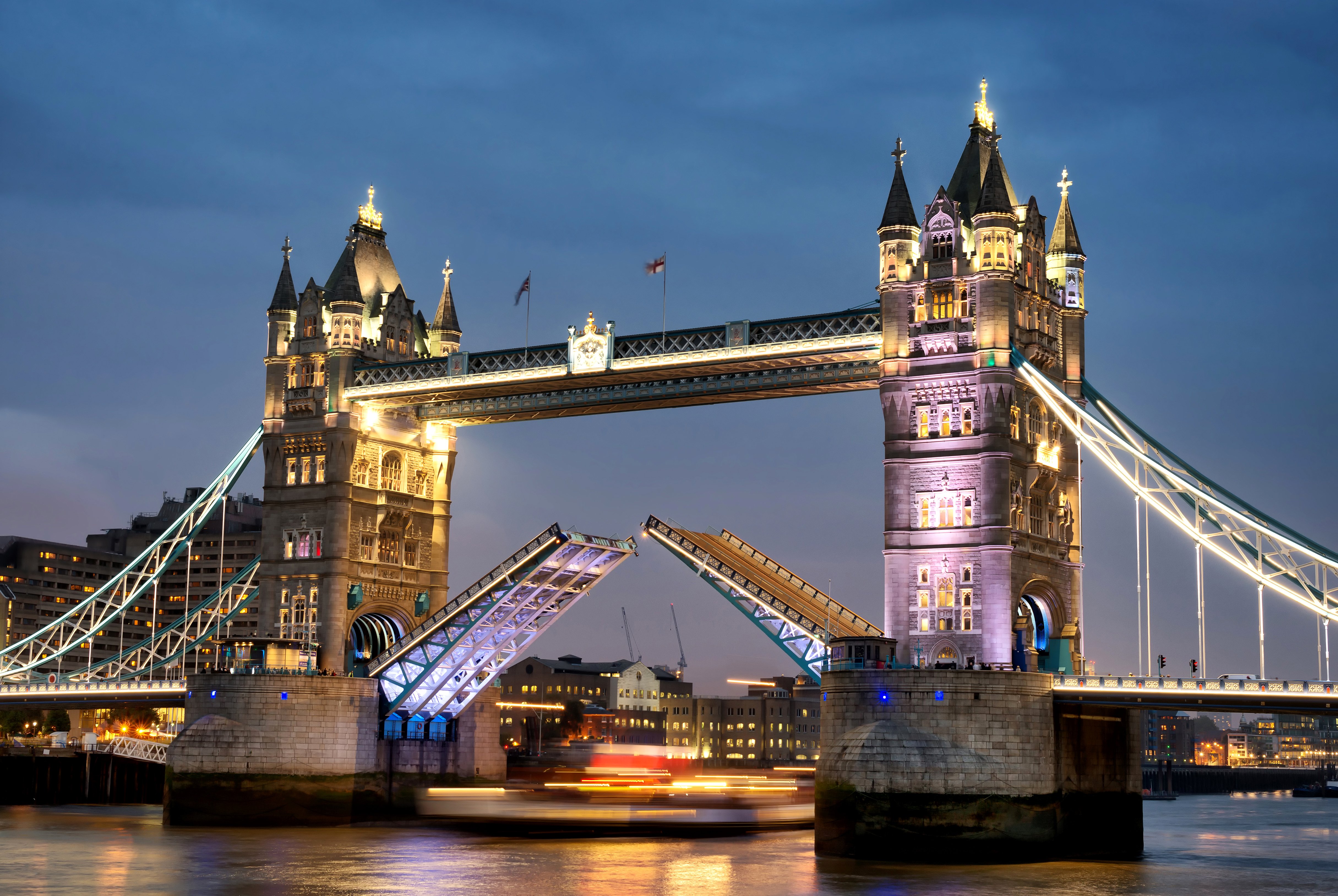
Reino Unido , oficialmente Reino Unido da Grã-Bretanha e Irlanda do Norte , é um Estado soberano insular localizado em frente à costa noroeste do continente europeu. O atual Reino Unido foi formado após o surgimento do Estado Livre Irlandês em 1922, que ganhou independência da coroa britânica. O Estado soberano localiza-se na ilha da Grã-Bretanha, e na parte nordeste da ilha da Irlanda, além de muitas outras ilhas menores. A Irlanda do Norte é a única parte do Reino Unido com uma fronteira terrestre, no caso, com a República da Irlanda. Fora essa fronteira terrestre, o país é cercado pelo oceano Atlântico, o mar do Norte, o canal da Mancha e o mar da Irlanda. A maior ilha, a Grã-Bretanha, é conectada com a França pelo Eurotúnel. O Reino Unido é uma união política de quatro "países constituintes": Escócia, Inglaterra, Irlanda do Norte e País de Gales. O governo é regido por um sistema parlamentar, cuja sede está localizada na cidade de Londres, a capital, e por uma monarquia constitucional que tem a rainha Isabel II como a chefe de Estado. As dependências da Coroa das Ilhas do Canal e a Ilha de Man , não fazem parte do Reino Unido, mas formam uma confederação com ele.O país tem quatorze territórios ultramarinos, todos remanescentes do Império Britânico, que no seu auge possuía quase um quarto da superfície da Terra, fazendo desse o maior império da história. Como resultado da era imperial, a influência britânica no mundo pode ser vista no idioma, na cultura e nos sistemas judiciários de muitas de suas antigas colônias, como o Canadá, a Austrália, a Índia e os Estados Unidos. A rainha Isabel II permanece como a chefe da Comunidade das Nações e chefe de Estado de cada uma das monarquias na Commonwealth.O Reino Unido é um país desenvolvido, com a sexta ou sétima maior economia do mundo. Ele foi o primeiro país industrializado do mundo e a principal potência mundial durante o século XIX e o começo do século XX, mas o custo econômico de duas guerras mundiais e o declínio de seu império na segunda metade do século XX reduziu o seu papel de líder nos temas mundiais. O Reino Unido, no entanto, permaneceu sendo uma potência importante com forte influência econômica, cultural, militar e política, sendo uma potência nuclear, com o terceiro ou quarto maior gasto militar do mundo. Tem um assento permanente no Conselho de Segurança das Nações Unidas e é membro do G8, da Organização do Tratado do Atlântico Norte , da Organização Mundial do Comércio e da Comunidade das Nações. Foi um membro da União Europeia até 31 de janeiro de 2020.

American Museum and Gardens

Bath

The American Museum and Gardens is based at Claverton Manor, near Bath, England. The manor house, believed to be the third manor house constructed at Claverton, was designed for John Vivian, a barrister who had purchased the manor in 1816, by Jeffry Wyatville in 1820 and built on the site of a manor previously bought by Ralph Allen in 1758. Wyatville's construction replaced an earlier manor house built for Sir Edward Hungerford in c.1588, the design of which has been attributed to John of Padua. The first manor house at Claverton was built by Ralph of Shrewsbury around 1340. The current manor house, built in 1820, is now a Grade I listed building.

Batalha de Marston Moor

Harrogate

A Batalha de Marston Moor, que se deu no dia 2 de julho de 1644, foi a maior da Guerra Civil Inglesa, e uma das mais decisivas. Resultou em vitória dos parlamentaristas ingleses, e permitiu que o norte da Inglaterra passasse, efetivamente, para o controle do Parlamento.

Council House, Chichester

Chichester

The Council House is a municipal building in North Street, Chichester, West Sussex, England. It is a Grade II* listed building.

The Keep, Dorchester

Dorchester (Dorset)

The Keep, Dorchester is part of the former county barracks of the 39th Regiment of Foot and the 75th Regiment of Foot. The barracks were built in about 1880 and housed various regiments as units were amalgamated. It ceased to be used in 1958 and most of the site was redeveloped in the 1960s, but the keep remained in Ministry of Defence hands and is now used as a regimental museum. It is a Grade II listed building.

REME Museum

RAF Lyneham

The REME Museum is within the MoD Lyneham site, in Wiltshire, England, about 9 miles southwest of Swindon. The museum holds collections of technological and historical artifacts associated with the work of the Royal Electrical and Mechanical Engineers , the corps of the British Army responsible for the maintenance, servicing and inspection of electrical and mechanical equipment.

Staffordshire Regiment Museum

Lichfield

The Staffordshire Regiment Museum is a military museum in Staffordshire, England, preserving the history of the Staffordshire Regiment , its antecedent regiments and its successor regiment, the Mercian Regiment, from 1705 to the present. The Staffordshire Regiment was an Infantry regiment of the British Army, formed in 1959 by the amalgamation of the South Staffordshire Regiment and the North Staffordshire Regiment.The museum is adjacent to Whittington Barracks, the former home of The Staffordshire Regiment's antecedent regiments since 1881, and the current base for the Regimental Headquarters of The Mercian Regiment and the Defence Medical Services. It is located in Whittington, Staffordshire on the A51 Lichfield-Tamworth Road, 3 miles from Lichfield and 4 miles from Tamworth. The museum is 6 miles from the National Memorial Arboretum in Alrewas, Staffordshire.

Universidade de Iorque

Iorque

Este é um artigo sobre a universidade britânica. Para ir à universidade canadense, acesse Universidade York Uma das principais universidades do Reino Unido, a Universidade de Iorque localiza-se em Iorque, Inglaterra, e foi fundada em 1963. Mais de trinta departamentos e centros cobrem uma vasta gama de assuntos nas artes, nas ciências sociais, na ciência e na tecnologia. Alguns estudantes vivem na residência estudantil universitária. O campus ajardinado foi construído em meados dos anos 1960, nos arredores da cidade medieval, ao lado da vila de Heslington. O campus é a sede do Parque de Ciência de Iorque e do Centro Nacional de Aprendizagem da Ciência. A universidade usa também um número de edifícios históricos no centro de cidade. Presente consistentemente entre as dez melhores universidades em ensino, Iorque tem também uma taxa baixa de evasão estudantil e uma forte reputação em pesquisa acadêmica. Uma curiosidade sobre a universidade é que muitos alunos bem-sucedidos estudaram lá, incluindo o ex-presidente de Portugal, Aníbal António Cavaco Silva

Theatre Royal, Bath

Bath

The Theatre Royal in Bath, England, was built in 1805. A Grade II* listed building, it has been described by the Theatres Trust as "One of the most important surviving examples of Georgian theatre architecture". It has a capacity for an audience of around 900. The Theatre Royal was built to replace the Old Orchard Street Theatre, funded by a Tontine and elaborately decorated. The architect was George Dance the Younger, with John Palmer carrying out much of the work. It opened with a performance of Shakespeare's Richard III and hosted performances by many leading actors of the time including Dorothea Jordan, William Macready and Edmund Kean. A major fire in 1862 destroyed the interior of the building and was quickly followed by a rebuilding programme by Charles J. Phipps, which included the construction of the current entrance. Further redecoration was undertaken in 1892; more extensive building work, including a new staircase and the installation of electric lighting, followed in 1902. Despite performances by casts including Sarah Bernhardt, the ballerina Anna Pavlova and Mrs. Patrick Campbell, the theatre was rarely very profitable. During World War II Donald Wolfit, Irene Vanbrugh, John Gielgud and Sybil Thorndike appeared, with shows including Noël Coward's Private Lives and Blyth Spirit, a performance by Ballet Rambert and light entertainment such as Charley's Aunt, but audiences declined. In 1979 the theatre was bought by a trust and, following public donations, it underwent refurbishment, with the rebuilding of the stage and the installation of a new taller fly tower for scenery and lighting. In 1997 a new 150-seat theatre, known as the Ustinov Studio, was opened. Further restoration work to the main auditorium was needed in 2010. In 2005 a children's theatre known as The Egg was opened. The complex also includes bars and restaurants.

Ulster University

Belfast

Ulster University , legally the University of Ulster, is a multi-campus public university located in Northern Ireland. It is often referred to informally and unofficially as Ulster, or by the abbreviation UU. It is the largest university in Northern Ireland and the second-largest university on the island of Ireland, after the federal National University of Ireland. Established in 1968 as the New University of Ulster, it merged with Ulster Polytechnic in 1984, incorporating its four Northern Irish campuses under the University of Ulster banner. The university incorporated its four campuses in 1984; located in Belfast, Coleraine, Derry , and Jordanstown. The university has branch campuses in both London and Birmingham, and an extensive distance learning provision. The university rebranded as Ulster University from October 2014 and this included a revised visual identity. It has one of the highest further study and employment rates in the UK, with over 92% of graduates being in work or further study six months after graduation. The university is a member of the Association of Commonwealth Universities, the European University Association, Universities Ireland and Universities UK.