Procure museus e pinturas

Reino Unido

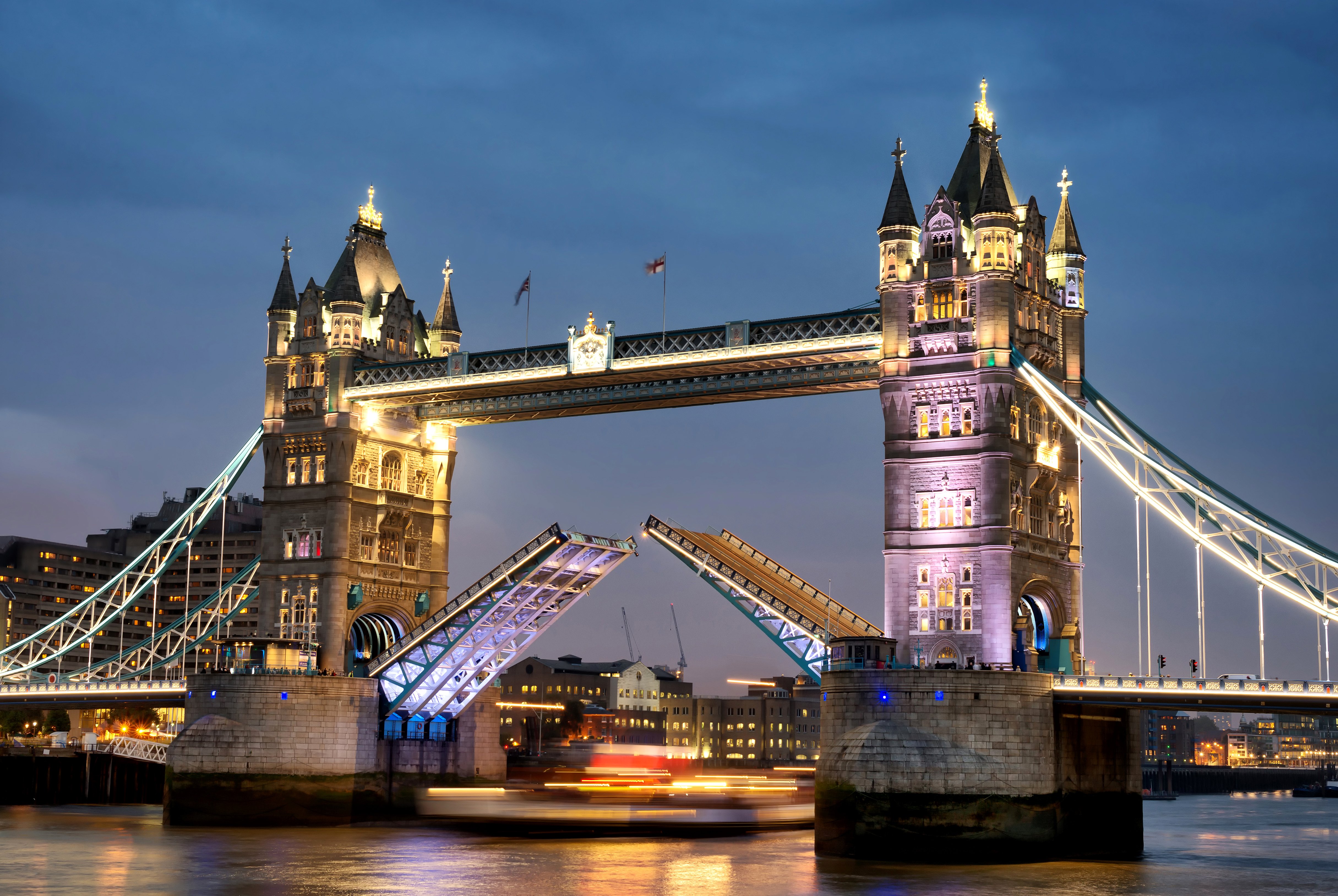
Reino Unido , oficialmente Reino Unido da Grã-Bretanha e Irlanda do Norte , é um Estado soberano insular localizado em frente à costa noroeste do continente europeu. O atual Reino Unido foi formado após o surgimento do Estado Livre Irlandês em 1922, que ganhou independência da coroa britânica. O Estado soberano localiza-se na ilha da Grã-Bretanha, e na parte nordeste da ilha da Irlanda, além de muitas outras ilhas menores. A Irlanda do Norte é a única parte do Reino Unido com uma fronteira terrestre, no caso, com a República da Irlanda. Fora essa fronteira terrestre, o país é cercado pelo oceano Atlântico, o mar do Norte, o canal da Mancha e o mar da Irlanda. A maior ilha, a Grã-Bretanha, é conectada com a França pelo Eurotúnel. O Reino Unido é uma união política de quatro "países constituintes": Escócia, Inglaterra, Irlanda do Norte e País de Gales. O governo é regido por um sistema parlamentar, cuja sede está localizada na cidade de Londres, a capital, e por uma monarquia constitucional que tem a rainha Isabel II como a chefe de Estado. As dependências da Coroa das Ilhas do Canal e a Ilha de Man , não fazem parte do Reino Unido, mas formam uma confederação com ele.O país tem quatorze territórios ultramarinos, todos remanescentes do Império Britânico, que no seu auge possuía quase um quarto da superfície da Terra, fazendo desse o maior império da história. Como resultado da era imperial, a influência britânica no mundo pode ser vista no idioma, na cultura e nos sistemas judiciários de muitas de suas antigas colônias, como o Canadá, a Austrália, a Índia e os Estados Unidos. A rainha Isabel II permanece como a chefe da Comunidade das Nações e chefe de Estado de cada uma das monarquias na Commonwealth.O Reino Unido é um país desenvolvido, com a sexta ou sétima maior economia do mundo. Ele foi o primeiro país industrializado do mundo e a principal potência mundial durante o século XIX e o começo do século XX, mas o custo econômico de duas guerras mundiais e o declínio de seu império na segunda metade do século XX reduziu o seu papel de líder nos temas mundiais. O Reino Unido, no entanto, permaneceu sendo uma potência importante com forte influência econômica, cultural, militar e política, sendo uma potência nuclear, com o terceiro ou quarto maior gasto militar do mundo. Tem um assento permanente no Conselho de Segurança das Nações Unidas e é membro do G8, da Organização do Tratado do Atlântico Norte , da Organização Mundial do Comércio e da Comunidade das Nações. Foi um membro da União Europeia até 31 de janeiro de 2020.

Brodsworth Hall

Doncaster

Brodsworth Hall, near Brodsworth, 5 miles north-west of Doncaster in South Yorkshire, is one of the most complete surviving examples of a Victorian country house in England. It is virtually unchanged since the 1860s. It was designed in the Italianate style by the obscure London architect, Philip Wilkinson, then 26 years old. He was commissioned by Charles Sabine Augustus Thellusson, who inherited the estate in 1859, but the original estate was constructed in 1791 for merchant and slave owner Peter Thellusson. It is a Grade I listed building.

Brunel Museum

Londres

The Brunel Museum is a small museum situated at the Brunel Engine House, Rotherhithe, London Borough of Southwark. The Engine House was designed by Sir Marc Isambard Brunel as part of the infrastructure of the Thames Tunnel which opened in 1843 and was the first tunnel to be built under a navigable river anywhere in the world. It comprises the Engine House and the Tunnel Shaft, with rooftop garden. Isambard Kingdom Brunel worked with his father on the project from 1823 and was formally appointed Resident Engineer in January 1827 at the age of 20.

Brooke Robinson

Dudley

Brooke Robinson was a British Conservative Party politician, who was MP for Dudley and held a number of public posts including that of County Coroner for Dudley. He also was an art collector and benefactor whose legacy was the Town Hall and a museum in the town of Dudley.

Buckland Abbey

Devon

Buckland Abbey is a Grade I listed 700-year-old house in Buckland Monachorum, near Yelverton, Devon, England, noted for its connection with Sir Richard Grenville the Younger and Sir Francis Drake. It is owned by the National Trust.

Canterbury Heritage Museum

Cantuária

The Canterbury Heritage Museum was a museum in Stour Street, Canterbury, South East England, telling the history of the city. It was housed in the 12th-century Poor Priests' Hospital next to the River Stour. The museum exhibited the Canterbury Cross and contained a gallery dedicated to Rupert the Bear, whose creator Mary Tourtel lived in Canterbury. It held regular events and exhibitions of local and national interest. The museum closed in 2018. It has since re-opened as The Marlowe Kit; an escape room, exhibition and creative space.

Captain Cook Memorial Museum

Scarborough (North Yorkshire)

Captain Cook Memorial Museum is a history museum in Whitby, North Yorkshire, England. The museum building, Walker's House, belonged to Captain John Walker, to whom James Cook was apprenticed in 1746. Having lodged there as an apprentice, Cook returned to visit in the winter of 1771–72 after his first voyage.

Castle Ward

Strangford

Castle Ward is an 18th-century National Trust property located near the village of Strangford, in County Down, Northern Ireland, in the townland of the same name. It overlooks Strangford Lough and is 7 miles from Downpatrick and 1.5 miles from Strangford. Castle Ward is open to the public and includes 332 hectares of landscaped gardens, a fortified tower house, Victorian laundry, theatre, restaurant, shop, saw mill and a working corn mill. It has a shore on Strangford Lough. From 1985 to 2010 it has also hosted Castleward Opera, an annual summer opera festival.

Catalyst Science Discovery Centre

Widnes

The Catalyst Science Discovery Centre is a science and technology museum in Widnes, Halton, North-West England. The centre has interactive exhibits, reconstructed historical scenes, an observatory, a live-science theatre and family workshops. It is next to Spike Island, a public park, located between the River Mersey and the Sankey Canal that has woodlands, wetlands, footpaths and industrial archaeological history. The centre is housed in Tower Building, constructed around 1860 by John Hutchinson as the administrative centre for his chemical business. The centre holds a collection of archives relating to the chemical industry, these include documents, photographs and the entire research archive of the ICI General Chemical Division.

Laboratório Cavendish

Cambridge

Os Laboratórios Cavendish pertencem ao departamento de física da Universidade de Cambridge. Fazem parte da escola de Ciências Físicas e foram construídos em 1873 como laboratórios de formação de estudantes. No início os laboratórios estavam instalados no centro de Cambridge, porém, por falta de espaço foram deslocados na década de 70 para a zona ocidental de Cambridge. O departamento recebeu seu nome de Henry Cavendish, um famoso cientista e membro de um ramo da família Cavendish relacionada com os duques de Devonshire. Um dos membros desta família, William Cavendish, 7º Duque de Devonshire, foi reitor da Universidade e, deu o nome do seu parente ao laboratório depois de o fundar e doar fundos para a sua construção, tendo ainda nomeado a James Maxwell como primeiro director. Até agora 28 cientistas dos Laboratórios Cavendish já foram laureados com prêmio Nobel. Os Laboratórios Cavendish tem tido uma importante influência no desenvolvimento da Biologia, sobretudo, graças a aplicação da cristalografia de raios X no estudo das estruturas da biomoléculas como, por exemplo, o DNA. Outras áreas nas quais os laboratórios tem sido influentes desde 1950 são as seguintes: Supercondutividade ; Microscopia eletrônica de alta voltagem; Radioastronomia com radiotelescópios