Procure museus e pinturas

Reino Unido

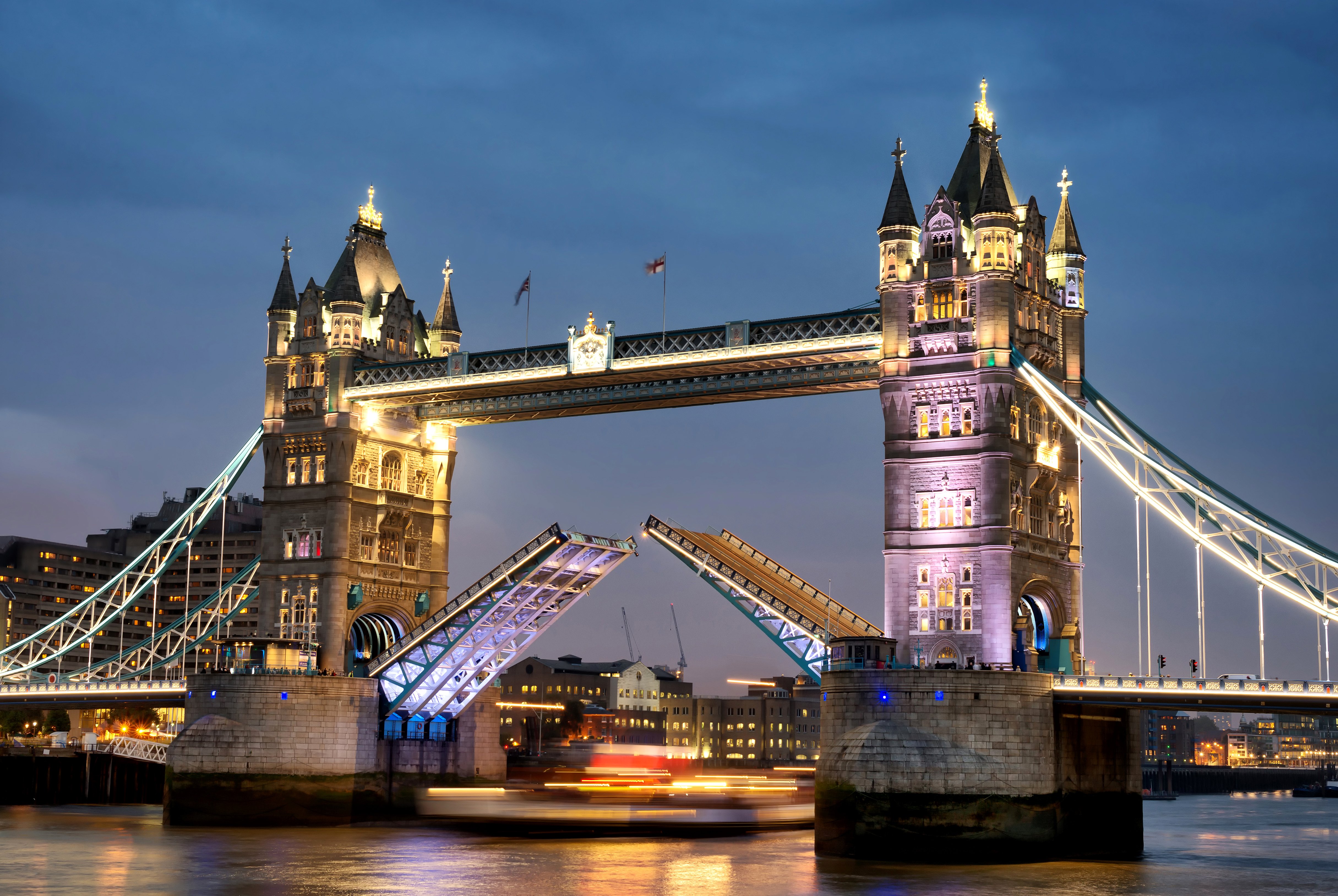
Reino Unido , oficialmente Reino Unido da Grã-Bretanha e Irlanda do Norte , é um Estado soberano insular localizado em frente à costa noroeste do continente europeu. O atual Reino Unido foi formado após o surgimento do Estado Livre Irlandês em 1922, que ganhou independência da coroa britânica. O Estado soberano localiza-se na ilha da Grã-Bretanha, e na parte nordeste da ilha da Irlanda, além de muitas outras ilhas menores. A Irlanda do Norte é a única parte do Reino Unido com uma fronteira terrestre, no caso, com a República da Irlanda. Fora essa fronteira terrestre, o país é cercado pelo oceano Atlântico, o mar do Norte, o canal da Mancha e o mar da Irlanda. A maior ilha, a Grã-Bretanha, é conectada com a França pelo Eurotúnel. O Reino Unido é uma união política de quatro "países constituintes": Escócia, Inglaterra, Irlanda do Norte e País de Gales. O governo é regido por um sistema parlamentar, cuja sede está localizada na cidade de Londres, a capital, e por uma monarquia constitucional que tem a rainha Isabel II como a chefe de Estado. As dependências da Coroa das Ilhas do Canal e a Ilha de Man , não fazem parte do Reino Unido, mas formam uma confederação com ele.O país tem quatorze territórios ultramarinos, todos remanescentes do Império Britânico, que no seu auge possuía quase um quarto da superfície da Terra, fazendo desse o maior império da história. Como resultado da era imperial, a influência britânica no mundo pode ser vista no idioma, na cultura e nos sistemas judiciários de muitas de suas antigas colônias, como o Canadá, a Austrália, a Índia e os Estados Unidos. A rainha Isabel II permanece como a chefe da Comunidade das Nações e chefe de Estado de cada uma das monarquias na Commonwealth.O Reino Unido é um país desenvolvido, com a sexta ou sétima maior economia do mundo. Ele foi o primeiro país industrializado do mundo e a principal potência mundial durante o século XIX e o começo do século XX, mas o custo econômico de duas guerras mundiais e o declínio de seu império na segunda metade do século XX reduziu o seu papel de líder nos temas mundiais. O Reino Unido, no entanto, permaneceu sendo uma potência importante com forte influência econômica, cultural, militar e política, sendo uma potência nuclear, com o terceiro ou quarto maior gasto militar do mundo. Tem um assento permanente no Conselho de Segurança das Nações Unidas e é membro do G8, da Organização do Tratado do Atlântico Norte , da Organização Mundial do Comércio e da Comunidade das Nações. Foi um membro da União Europeia até 31 de janeiro de 2020.

Epping Forest

Epping Forest

Epping Forest is a 2,400-hectare area of ancient woodland between Epping in Essex to the north, and Forest Gate in Greater London to the south, straddling the border between London and Essex. It is a former royal forest, and is managed by the City of London Corporation. An area of 1,728 hectares is a Site of Special Scientific Interest and a Special Area of Conservation. It gives its name to the Epping Forest local government district, which covers part of it. The forest is approximately 19 kilometres long in the north-south direction, but no more than 4 kilometres from east to west at its widest point, and in most places considerably narrower. It lies on a ridge between the valleys of the rivers Lea and Roding. It contains areas of woodland, grassland, heath, rivers, bogs and ponds, and its elevation and thin gravelly soil historically made it unsuitable for agriculture.

Eyam Museum

Derbyshire Dales

Eyam Museum or as it is locally known Eyam Plague museum is a local museum in the village of Eyam, located in the Peak District, Derbyshire, England.

Faculty of Divinity, University of Cambridge

Cambridge

The Cambridge Faculty of Divinity is the divinity school of the University of Cambridge. It houses the Faculty Library.

Felbrigg Hall

Norfolk

Felbrigg Hall is a 17th-century English country house near the village of that name in Norfolk. Part of a National Trust property, the unaltered 17th-century house is noted for its Jacobean architecture and fine Georgian interior. Outside is a walled garden, an orangery and orchards. The house and grounds were bequeathed to the National Trust in 1969 by Robert Ketton-Cremer. The hall is Grade I on the National Heritage List for England. Most of the grounds are part of Felbrigg Woods, a Site of Special Scientific Interest.

Fitzwilliam College, Cambridge

Cambridge

Fitzwilliam College é uma faculdade constituinte da Universidade de Cambridge, Inglaterra. A faculdade tem origens em 1869 na fundação do Conselho de Estudantes Não Colegiados, um empreendimento destinado a oferecer a estudantes academicamente excelentes de todas as origens, a chance de estudar na universidade. A instituição era localizada no Fitzwilliam Hall frente ao Museu Fitzwilliam, no sudoeste de Cambridge. Tendo mudado para o local atual no norte da cidade, a faculdade alcançou o estatuto de colegiado em 1966. Estudantes do sexo feminino foram admitidas pela primeira vez em 1978. Atualmente, Fitzwilliam abriga cerca de 475 estudantes de licenciatura, 400 estudantes de pós-graduação e 90 bolsistas. Pelo número total de alunos, é a sétima maior faculdade em Cambridge desde 2018/19. Dos alunos notáveis da Fitzwilliam College constam seis vencedores do Prémio Nobel, académicos, três chefes de estado, um juiz do Supremo Tibunal de Justiça do Reino Unido, políticos, incluindo o ex-líder dos Democratas Liberais, Ministro das Finanças e o atuais e ex- comissários da Polícia Metropolitana.

Forde House

Teignbridge

Forde House, now also known as Old Forde House, is a Grade I listed Jacobean former manor house in Newton Abbot, Devon, England. It was built in c. 1610 and is noted for its fine 17th-century wood-carving and plasterwork. Once the manor house of the parish of Wolborough, it is now absorbed into a suburb of Newton Abbot. The south front is clearly visible from the busy Brunel Road which cuts across the house's front lawn.

Franklin College, Grimsby

Scartho

Franklin Sixth Form College is a sixth form college on Chelmsford Avenue in Grimsby, North East Lincolnshire, England, serving more than 2,700 students, including adult learners.

Gairloch Heritage Museum

Gairloch

Gairloch Museum is an independent museum in the Wester Ross region of Scotland. The museum is located in the Highland village of Gairloch, in Achtercairn. The museum was set up in 1977 by the Gairloch Parish Branch of the Ross & Cromarty Heritage Society. This would later become the Gairloch & District Heritage Society and then the Gairloch & District Heritage Company Ltd. They applied and were successful in converting part of the existing farm steading in Achtercairn to form a heritage museum and clubs rooms for members during the winter months for lectures, films etc. The year later they applied and were successful in converting the second wing of farm steading to extend the museum as the current building was too small to house the exhibits. The library extension was added in 1987 and an extension for the Rudha Reidh lighthouse lens in 1988. The museum was created due to concern of possible damage to the growing collection of artefacts that had been donated by local people such as the Pictish Stone and thus they investigated means to protect it. The Company wanted to provide a wet weather facility for tourists for them to appreciate aspects of Gairloch’s past. Members of the Company were interested in displaying objects relating to archaeology, farming, fishing, and domestic utensils etc, those that showed the history of the West Coast. In 2017 the board of Gairloch Heritage Museum announced that they obtained a grant from Heritage Lottery Fund to transform a nearby nuclear bunker into a new museum for Gairloch. The museum board and volunteers raised £2.4 million to complete the project. The newly rebranded Gairloch Museum was officially opened on 9 July 2019 by the Princess Royal. The museum is housed in the former Gairloch Roads Depot, which was previously built as an anti-aircraft operations room during the Cold War. The building also served as an Emergency Operations Room in the 1980s and the museum incorporates features of that period, including the heavy blast doors.

Gilbert White

Beeston

Gilbert White foi um naturalista e ornitólogo britânico. White é sobretudo conhecido pelo seu trabalho The Natural History and Antiquities of Selborne, que é um dos livros mais frequentemente publicados em língua inglesa.