Procure museus e pinturas

Reino Unido

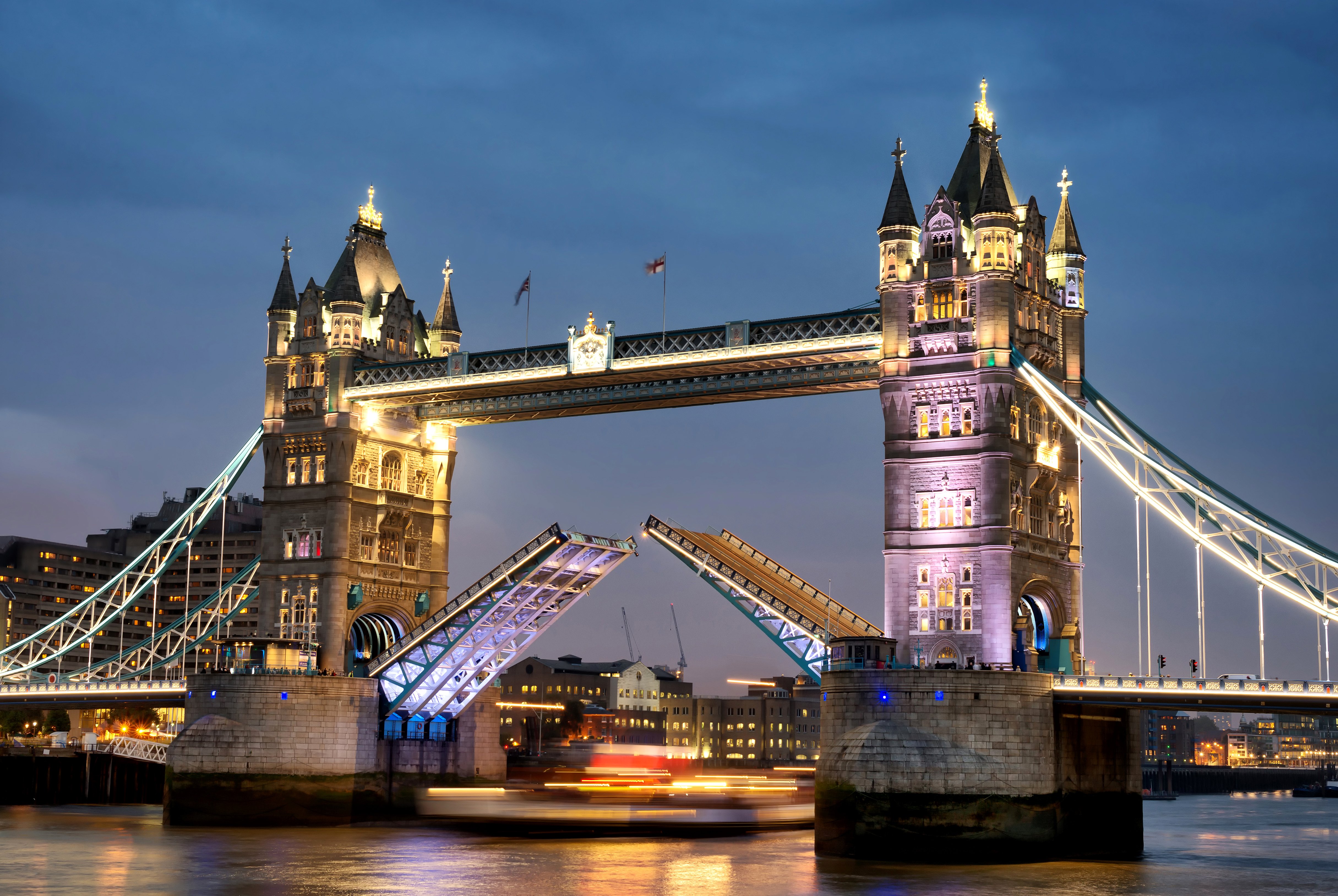
Reino Unido , oficialmente Reino Unido da Grã-Bretanha e Irlanda do Norte , é um Estado soberano insular localizado em frente à costa noroeste do continente europeu. O atual Reino Unido foi formado após o surgimento do Estado Livre Irlandês em 1922, que ganhou independência da coroa britânica. O Estado soberano localiza-se na ilha da Grã-Bretanha, e na parte nordeste da ilha da Irlanda, além de muitas outras ilhas menores. A Irlanda do Norte é a única parte do Reino Unido com uma fronteira terrestre, no caso, com a República da Irlanda. Fora essa fronteira terrestre, o país é cercado pelo oceano Atlântico, o mar do Norte, o canal da Mancha e o mar da Irlanda. A maior ilha, a Grã-Bretanha, é conectada com a França pelo Eurotúnel. O Reino Unido é uma união política de quatro "países constituintes": Escócia, Inglaterra, Irlanda do Norte e País de Gales. O governo é regido por um sistema parlamentar, cuja sede está localizada na cidade de Londres, a capital, e por uma monarquia constitucional que tem a rainha Isabel II como a chefe de Estado. As dependências da Coroa das Ilhas do Canal e a Ilha de Man , não fazem parte do Reino Unido, mas formam uma confederação com ele.O país tem quatorze territórios ultramarinos, todos remanescentes do Império Britânico, que no seu auge possuía quase um quarto da superfície da Terra, fazendo desse o maior império da história. Como resultado da era imperial, a influência britânica no mundo pode ser vista no idioma, na cultura e nos sistemas judiciários de muitas de suas antigas colônias, como o Canadá, a Austrália, a Índia e os Estados Unidos. A rainha Isabel II permanece como a chefe da Comunidade das Nações e chefe de Estado de cada uma das monarquias na Commonwealth.O Reino Unido é um país desenvolvido, com a sexta ou sétima maior economia do mundo. Ele foi o primeiro país industrializado do mundo e a principal potência mundial durante o século XIX e o começo do século XX, mas o custo econômico de duas guerras mundiais e o declínio de seu império na segunda metade do século XX reduziu o seu papel de líder nos temas mundiais. O Reino Unido, no entanto, permaneceu sendo uma potência importante com forte influência econômica, cultural, militar e política, sendo uma potência nuclear, com o terceiro ou quarto maior gasto militar do mundo. Tem um assento permanente no Conselho de Segurança das Nações Unidas e é membro do G8, da Organização do Tratado do Atlântico Norte , da Organização Mundial do Comércio e da Comunidade das Nações. Foi um membro da União Europeia até 31 de janeiro de 2020.

Lamport Hall

Daventry

Lamport Hall in Lamport, Northamptonshire is a fine example of a Grade I Listed House. It was developed from a Tudor Manor but is now notable for its classical frontage. The Hall contains an outstanding collection of books paintings and furniture. The building includes The High Room with a magnificent ceiling by William Smith. It also has a library with 16th-century volumes and an early 19th-century cabinet room with Neapolitan cabinets which depict mythological paintings on glass. It is open to the public Lamport Hall was the home of the Isham family from 1560 to 1976. Sir Charles Isham, 10th Baronet is credited with beginning the tradition of garden gnomes in the United Kingdom when he introduced a number of terracotta figures from in the 1840s.

County Hall, Preston

Preston

County Hall is a municipal building in Fishergate, Preston, Lancashire, England.

University Hospital Lewisham

Londres

University Hospital Lewisham is an acute district general hospital run by Lewisham and Greenwich NHS Trust and serving the London Borough of Lewisham. It is now affiliated with King's College London and forms part of the King's Health Partners academic health science centre. It is situated on Lewisham High Street between Lewisham and Catford.

Linacre College, Oxford

Oxford

Linacre College is a constituent college of the University of Oxford in the UK whose members comprise approximately 50 fellows and 500 postgraduate students. The college is named after Thomas Linacre , founder of the Royal College of Physicians as well as a distinguished renaissance humanist—multidisciplinary interests that the college aims to reflect. It is located on St Cross Road at its junction with South Parks Road, next to the University Parks and opposite the Tinbergen Building. Linacre is a diverse college in terms of both the international composition of its members , as well as the disciplines studied. Linacre was the first graduate college in the UK for both sexes and all subjects. This egalitarian spirit is reflected by a lack of formal separation between fellows and students. The college also has a strong environmental and ethical ethos. It was the first carbon-neutral college as well as the first college in Oxford to achieve Fairtrade status.

Liverpool Blue Coat School

Liverpool

The Liverpool Blue Coat School is a grammar school in Wavertree, Liverpool, England. It was founded in 1708 by Bryan Blundell and the Reverend Robert Styth as the Liverpool Blue Coat Hospital and was for many years a boys' boarding school before reverting in September 2002 to its original coeducational remit. The school holds a long-standing academic tradition. Examination results consistently place it top of the national GCSE and A-level tables. In 2016 Blue Coat was ranked as the best school in the country based on GCSE results. In 2015 it was The Sunday Times State School of the Year. The acceptance rate for admissions is around fifteen percent. In 2004 the school received a government grant of almost £8 million, together with £1 million from its foundation governors, enabling an expansion and redevelopment of its site.

County Hall, Maidstone

Maidstone

County Hall, formerly the Old Sessions House, is a municipal building in Maidstone, Kent. It is a Grade II listed building.

Manchester Jewish Museum

Manchester

Manchester Jewish Museum occupies the former Spanish and Portuguese Synagogue on Cheetham Hill Road in Manchester, England. It is a grade II* listed building.The synagogue was completed in 1874 but the building became redundant through the migration of the Jewish population away from the Cheetham area further north to Prestwich and Whitefield. It re-opened as a museum in March 1984 telling the story of the history of Jewish settlement in Manchester and its community over the last 200 years.

Mansfield Museum

Mansfield (Nottinghamshire)

Mansfield Museum is a local authority museum run by the council in Mansfield, Nottinghamshire. The brainchild of William Edward Baily, a wealthy local collector and natural historian, the museum opened in 1904 after Baily offered his collection and a building, the 'Tin Tabernacle', to Mansfield.

Melford Hall

Babergh District

Melford Hall is a stately home in the village of Long Melford, Suffolk, England. It is the ancestral seat of the Parker Baronets. The hall was mostly constructed in the 16th century, incorporating parts of a medieval building held by the abbots of Bury St Edmunds which had been in use since before 1065. It has similar roots to nearby Kentwell Hall. It passed from the abbots during the Dissolution of the Monasteries and was later granted by Queen Mary to Sir William Cordell. From Cordell it passed via his sister to Thomas and Mary Savage before being sold back into another male Cordell line. James Howell described the hall and garden in the times of Elizabeth Savage, Countess Rivers in a letter in 1619.During the Stour Valley Riots of 1642 the house was attacked and damaged by an anti-Catholic crowd. In 1786 it was sold to Harry Parker, son of Admiral Sir Hyde Parker. Beatrix Potter was a cousin of the family and was a frequent visitor to the hall from the 1890s onwards. One wing of the hall was gutted by fire in February 1942 but rebuilt after World War II, retaining the external Tudor brickwork with 1950s interior design. The hall was first opened to the public in 1955 by Ulla, Lady Hyde Parker. In 1960 it passed into the care of the National Trust. It is generally open on weekend afternoons in April and October, and on afternoons from Wednesday to Sunday during May to September. The Hall grounds host a number of events including the "Big Night Out" every November to celebrate Guy Fawkes Night and from 2013 the annual LeeStock Music Festival