Procure museus e pinturas

Reino Unido

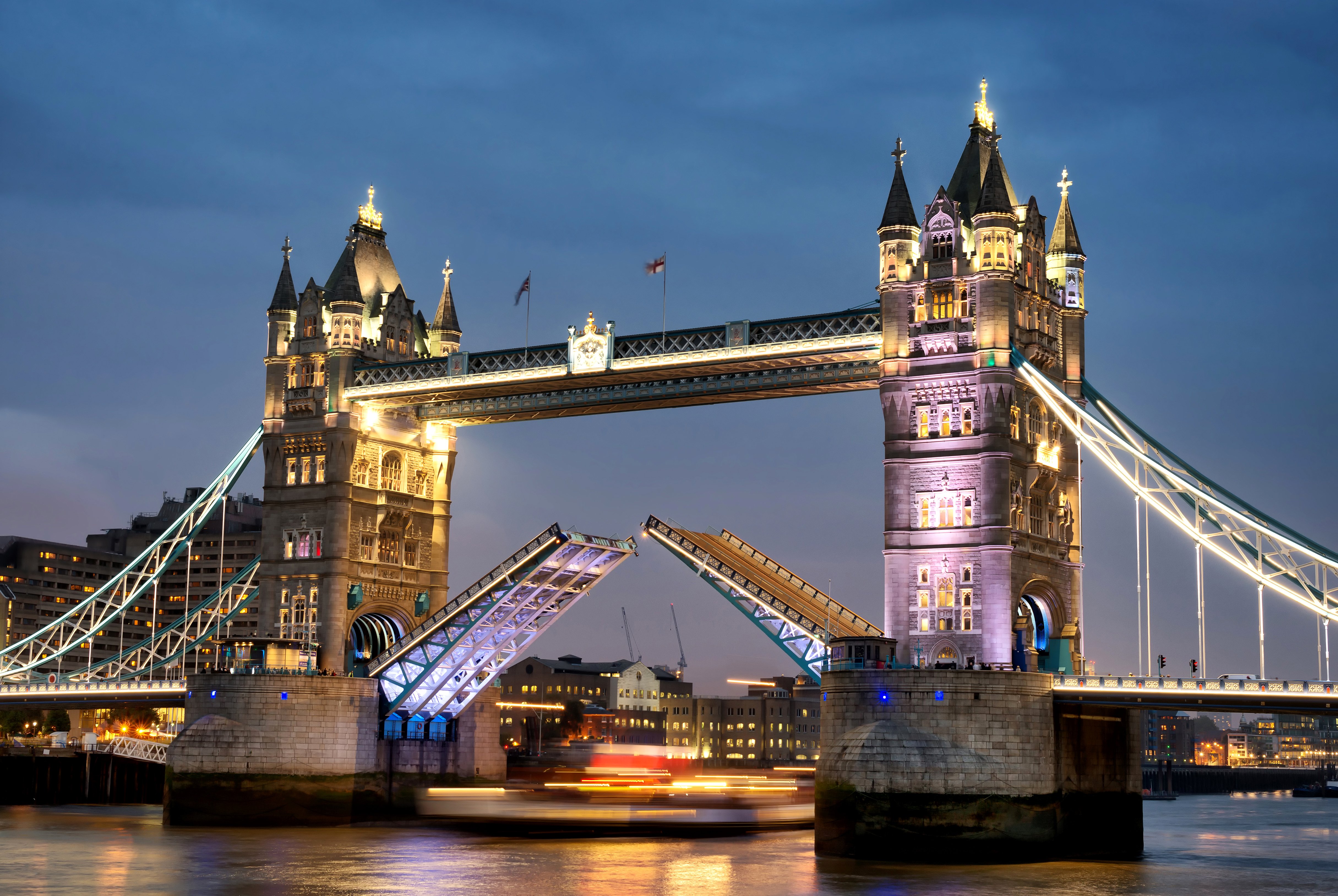
Reino Unido , oficialmente Reino Unido da Grã-Bretanha e Irlanda do Norte , é um Estado soberano insular localizado em frente à costa noroeste do continente europeu. O atual Reino Unido foi formado após o surgimento do Estado Livre Irlandês em 1922, que ganhou independência da coroa britânica. O Estado soberano localiza-se na ilha da Grã-Bretanha, e na parte nordeste da ilha da Irlanda, além de muitas outras ilhas menores. A Irlanda do Norte é a única parte do Reino Unido com uma fronteira terrestre, no caso, com a República da Irlanda. Fora essa fronteira terrestre, o país é cercado pelo oceano Atlântico, o mar do Norte, o canal da Mancha e o mar da Irlanda. A maior ilha, a Grã-Bretanha, é conectada com a França pelo Eurotúnel. O Reino Unido é uma união política de quatro "países constituintes": Escócia, Inglaterra, Irlanda do Norte e País de Gales. O governo é regido por um sistema parlamentar, cuja sede está localizada na cidade de Londres, a capital, e por uma monarquia constitucional que tem a rainha Isabel II como a chefe de Estado. As dependências da Coroa das Ilhas do Canal e a Ilha de Man , não fazem parte do Reino Unido, mas formam uma confederação com ele.O país tem quatorze territórios ultramarinos, todos remanescentes do Império Britânico, que no seu auge possuía quase um quarto da superfície da Terra, fazendo desse o maior império da história. Como resultado da era imperial, a influência britânica no mundo pode ser vista no idioma, na cultura e nos sistemas judiciários de muitas de suas antigas colônias, como o Canadá, a Austrália, a Índia e os Estados Unidos. A rainha Isabel II permanece como a chefe da Comunidade das Nações e chefe de Estado de cada uma das monarquias na Commonwealth.O Reino Unido é um país desenvolvido, com a sexta ou sétima maior economia do mundo. Ele foi o primeiro país industrializado do mundo e a principal potência mundial durante o século XIX e o começo do século XX, mas o custo econômico de duas guerras mundiais e o declínio de seu império na segunda metade do século XX reduziu o seu papel de líder nos temas mundiais. O Reino Unido, no entanto, permaneceu sendo uma potência importante com forte influência econômica, cultural, militar e política, sendo uma potência nuclear, com o terceiro ou quarto maior gasto militar do mundo. Tem um assento permanente no Conselho de Segurança das Nações Unidas e é membro do G8, da Organização do Tratado do Atlântico Norte , da Organização Mundial do Comércio e da Comunidade das Nações. Foi um membro da União Europeia até 31 de janeiro de 2020.

Launceston Castle

Launceston (Cornualha)

Launceston Castle is located in the town of Launceston, Cornwall, England. It was probably built by Robert the Count of Mortain after 1068, and initially comprised an earthwork and timber castle with a large motte in one corner. Launceston Castle formed the administrative centre of the new earldom of Cornwall, with a large community packed within the walls of its bailey. It was rebuilt in stone in the 12th century and then substantially redeveloped by Richard of Cornwall after 1227, including a high tower to enable visitors to view his surrounding lands. When Richard's son, Edmund, inherited the castle, he moved the earldom's administration to Lostwithiel, triggering the castle's decline. By 1337, the castle was increasingly ruinous and used primarily as a gaol and to host judicial assizes. The castle was captured by the rebels during the Prayer Book Rebellion of 1549, and was garrisoned by the Royalists during the English Civil War in the 17th century. Towards the end of the civil war it was stripped for its building materials and rendered largely uninhabitable. A small gaol was erected in the centre of the bailey, which was also used for executions. The castle eventually became the county gaol for Cornwall, but was heavily criticised for its poor facilities and treatment of inmates. By 1842, the remaining prisoners had been moved to Bodmin Gaol and the site was closed, the castle being landscaped to form a park by the Duke of Northumberland. During the Second World War, the site was used to host United States Army soldiers and, later, by the Air Ministry for offices. The ministry left the castle in 1956 and the site was reopened to visitors. In the 21st century, Launceston is owned by the duchy of Cornwall and operated by English Heritage as a tourist attraction. Much of the castle defences remain, including the motte, keep and high tower which overlook the castle's former deer park to the south. The gatehouses and some of the curtain wall have survived, and archaeologists have uncovered the foundations of various buildings in the bailey, including the great hall.

Erasmus Darwin House

Lichfield

Erasmus Darwin was an English physician. One of the key thinkers of the Midlands Enlightenment, he was also a natural philosopher beginning his journals on Galapagos Islands, physiologist, slave-trade abolitionist, inventor and poet. His poems included much natural history, including a statement of evolution and the relatedness of all forms of life. He was a member of the Darwin–Wedgwood family, which includes his grandsons Charles Darwin and Francis Galton. Darwin was a founding member of the Lunar Society of Birmingham, a discussion group of pioneering industrialists and natural philosophers. He turned down an invitation of George III's to become a physician to the King.

Erewash Museum

Borough of Erewash

The Erewash Museum is a museum in the town of Ilkeston, Erewash, in Derbyshire, England. The building that houses the museum is named the Dalby House after one of the families who inhabited it, and has served as a school and a private dwelling. The museum opened in the 1980s, and focuses on the history of the Erewash area, with exhibits covering the Second World War, archaeology, and the Stanton Ironworks.

Essex Record Office

Chelmsford

The Essex Record Office is the repository for records about the county of Essex in England. The office is run by Essex County Council. A searchable database of the records held at the office is available on a system called Seax.

Essex Regiment

Brentwood (Essex)

The Essex Regiment was a line infantry regiment of the British Army in existence from 1881 to 1958. The regiment served in many conflicts such as the Second Boer War and both World War I and World War II, serving with distinction in all three. It was formed in 1881 under the Childers Reforms by the amalgamation of the 44th Regiment of Foot and the 56th Regiment of Foot. In 1958, the Essex Regiment was amalgamated with the Bedfordshire and Hertfordshire Regiment to form the 3rd East Anglian Regiment . However, the existence was short-lived and, in 1964, was amalgamated again with the 1st East Anglian Regiment , the 2nd East Anglian Regiment and the Royal Leicestershire Regiment to form the Royal Anglian Regiment. The lineage of the Essex Regiment is continued by 'C' Company of the 1st Battalion of the Royal Anglian Regiment.

Eton College

Eton College

Eton College comumente conhecido apenas como Eton e fundado sob o nome de King's College of Our Lady of Eton beside Windsor é uma escola interna para rapazes, fundada em 1440 por Henrique VI da Inglaterra . Educa mais de 1.300 alunos, com idades entre 13 e 18 anos. Embora seja chamada escola pública, no Reino Unido tal nomenclatura refere-se predominantemente a escola particular.Eton College localiza-se em Eton, Berkshire , perto de Windsor, Inglaterra, apenas uma milha ao norte do Castelo de Windsor. É uma das nove originais public schools inglesas que foram definidas pela Acta das Escolas Públicas de 1868. Tem uma longa lista de alunos e ex-alunos famosos, incluindo 19 ex-primeiro-ministros britânicos, o príncipe William e o seu irmão príncipe Harry, o ator, ganhador do Oscar 2015, Eddie Redmayne também é um ex-aluno.A escola é membro do Grupo Eton de escolas independentes no Reino Unido, e seu diretor, Anthony R M Little, é um membro da Conferência de Diretores e Diretoras. Eton é sinónimo do elitismo britânico, com anuidades que beiram as 35,000 libras esterlinas .

Exeter Cathedral

Exeter

Exeter Cathedral, properly known as the Cathedral Church of Saint Peter in Exeter, is an Anglican cathedral, and the seat of the Bishop of Exeter, in the city of Exeter, Devon, in South West England. The present building was complete by about 1400, and has several notable features, including an early set of misericords, an astronomical clock and the longest uninterrupted vaulted ceiling in England.

Exhall Grange School

Nuneaton and Bedworth

Exhall Grange Specialist School is a special school located in Ash Green just outside Coventry in Warwickshire, England. The school meets the needs of children and young people age from 2 to 19 years with physical disability, visual impairment, complex medical needs, and social, communication and interaction difficulties. Opened in 1951 as a school for visually impaired pupils, Exhall Grange was the first school to cater exclusively for partially sighted children. It later widened its remit to include pupils with other disabilities, and became a grammar school in 1960. The school was a boarding school for many years, but significantly reduced its boarding facilities during the 1990s and 2000s as its role as a special school changed, and it is now a day school. In 2001 Exhall Grange began to share its campus with RNIB Pears Centre for Specialist Learning , an RNIB school which relocated there from Northamptonshire. A children's hospice also occupies part of the site. Exhall Grange was the first special school to be awarded science college status in 2003, and celebrated its Diamond Jubilee year in 2011.

Bate Collection of Musical Instruments

Oxford

The Bate Collection of Musical Instruments is a collection of historic musical instruments, mainly for Western classical music, from the Middle Ages onwards. It is housed in Oxford University's Faculty of Music near Christ Church on St. Aldate's. The collection is open to the public and is available for academic study by appointment. The current curator is Andy Lamb, a former NCO who served in the Royal Artillery and was a trumpeter in their Junior Leaders band during his training as a Boy Soldier. There are frequent gallery events and special exhibitions. More than a thousand instruments by important English, French and German makers, are on display, showing the musical and mechanical development of wind and percussion instruments from the Renaissance to the current day.The collection is named after Philip Bate who gave his collection of musical instruments to the University of Oxford in 1968, on the condition that it was used for teaching and was provided with a specialist curator to care for and lecture on it. The collection also houses an archive of his papers. The Bate Collection is additionally the home of the Reginald Morley-Pegge Memorial Collection of Horns and other Brass and Woodwind Instruments; the Anthony Baines Collection; the Edgar Hunt Collection of Recorders and other instruments; the Jean Henry Collection, the Taphouse Keyboard Loans; the Roger Warner Keyboard Collection; the Michael Thomas Keyboard Collection; a number of instruments from the Jeremy Montagu Collection; a complete workshop of the English bow-maker William C Retford, as well as a small collection of Bows formed in his memory, the Wally Horwood Collection of books and recordings, and other instruments acquired by purchase and gift. An album, 'Voices From The Past, Vol. 2: Instruments of The Bate Collection' was released in 2015.